Talks & Lectures
I try to open access to my slides from talks I have delivered on semiconductor geopolitics, public policy, technology strategy, and related topics. PDFs are hosted here for easy reference.
Semiconductor Geopolitics
India’s Semiconductor Strategy: A Policy Overview
Event: CHIDIPLO Paris Policy Dialogue on Semiconductor Industrial and Innovation Policy:What Works and What Does Not
Date: February 11, 2026
Overview of India’s semiconductor policy landscape, the India Semiconductor Mission, and the geopolitical context shaping chip supply chains.
Critical Minerals
The Geopolitics of Critical Minerals
Event: A Talk at National Defence College, New Delhi Date: March 10, 2026
I have given several versions of this talk, most recently being for the 66th cohort of India’s top military institution for learning strategy, the National Defence College. In this talk, I explain the past, present, and future of mineral politics.
Technology Geopolitics
Geopolitics is Now a Business Problem
Event: IMA India CEO Roundtable Date: June 2026
A fresh lecture for IMA India’s CEO forum on why technology geopolitics has become a first-order business concern, and how firms should read the contest between the US, China, and middle powers.
High Tech Geopolitics: Trends, Misconceptions, and Creative Insecurity
Event: Lecture for the PGP-YL programme, Indian School of Business (ISB) Date: June 2026
A variant of the high tech geopolitics deck, tailored for young leaders at ISB. Covers the means, goals, and fallouts of technology contestation, and the misconceptions that shape business and policy responses.
High Tech Geopolitics: Trends & Assessments
Event: Lecture for PGP course at Indian Institute of Management, Bangalore Date: February 17, 2026
The means, goals, and fallouts of technology contestation.
AI Geopolitics
The Geopolitics of AI: Perspectives and Implications
Event: Pint of View Date: September 2026
My third Pint of View lecture, this time on the geopolitics of AI. As usual, the questions were top-notch. I hope many more such knowledge communities flourish in India.
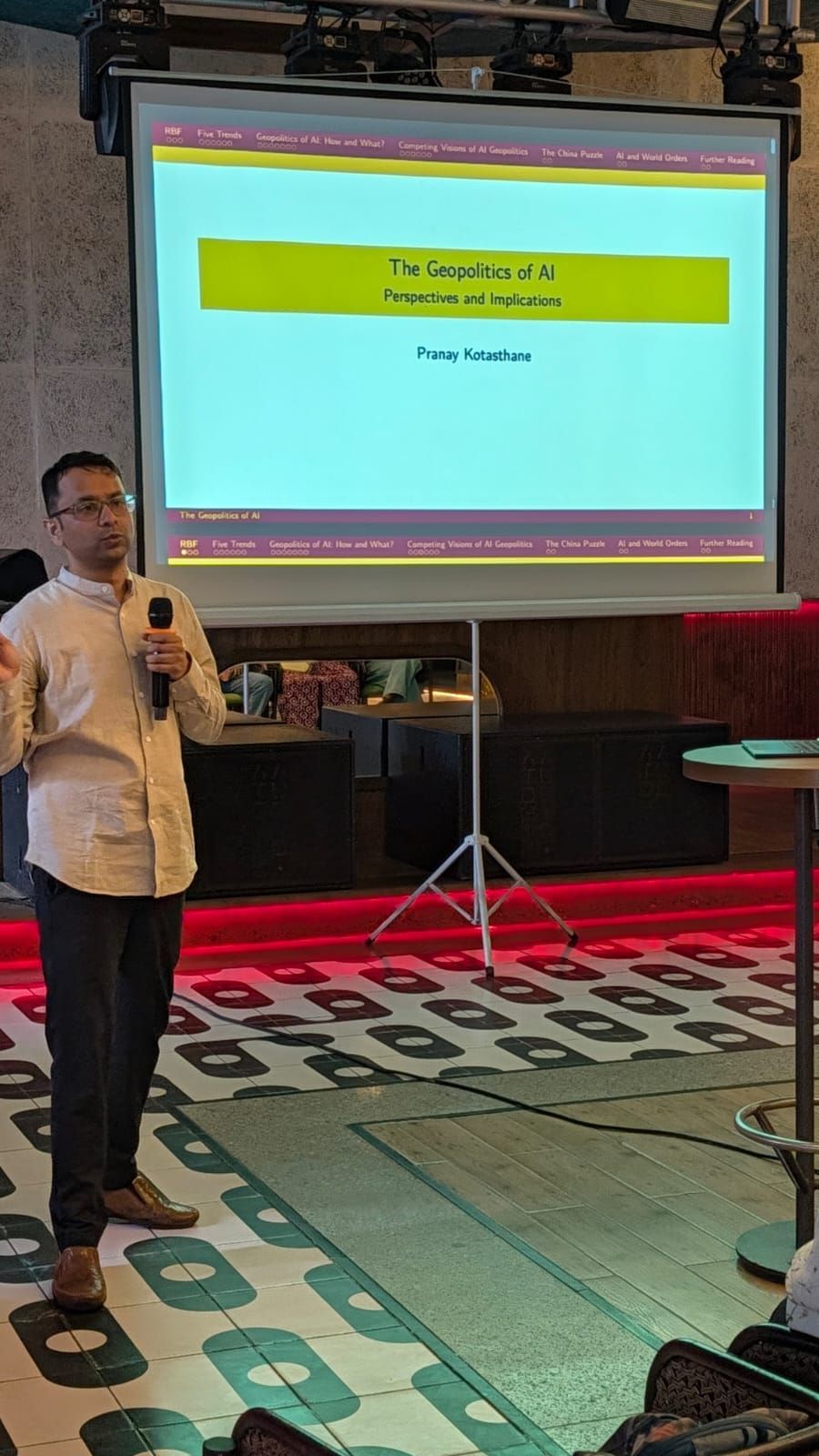
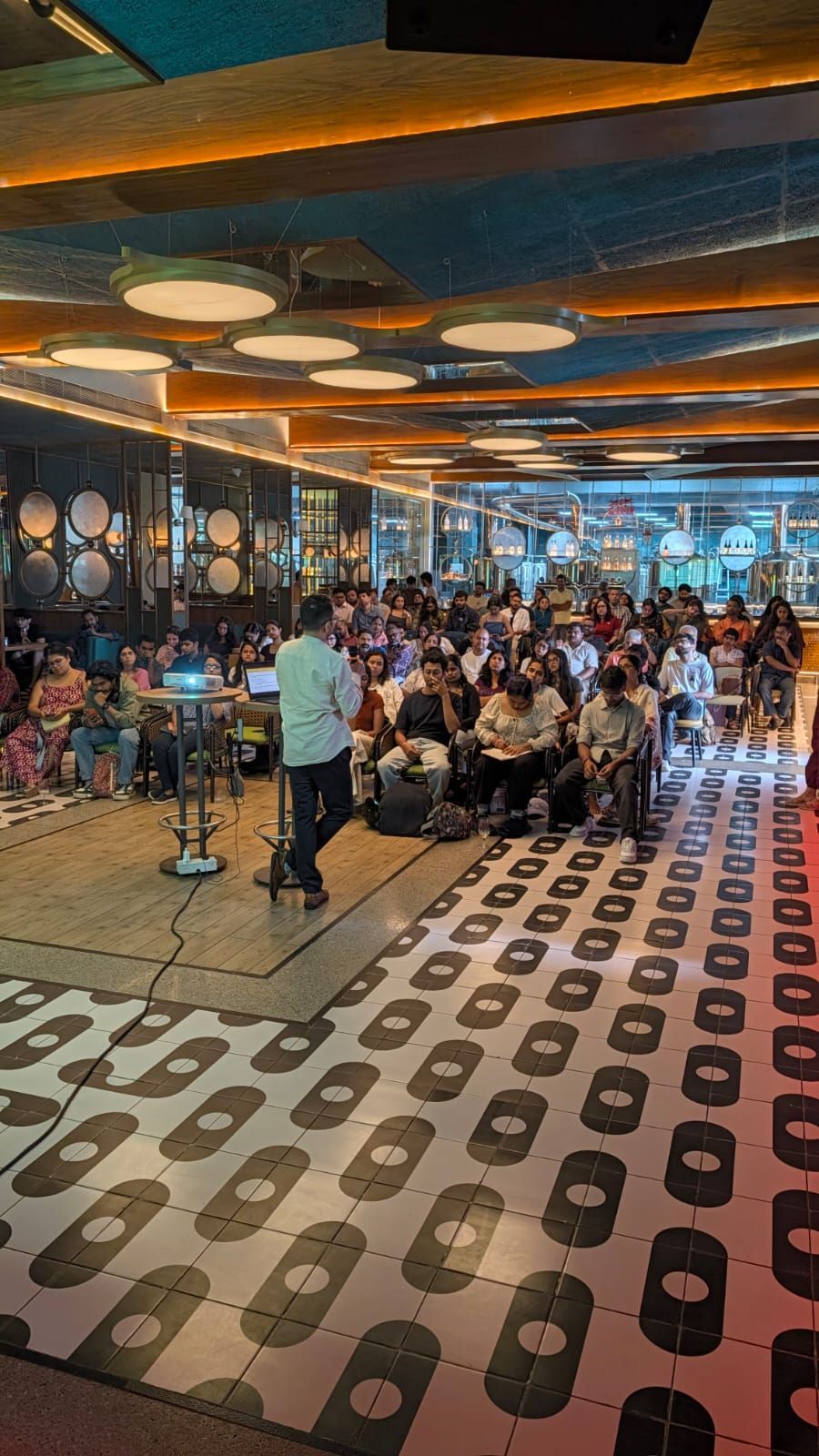
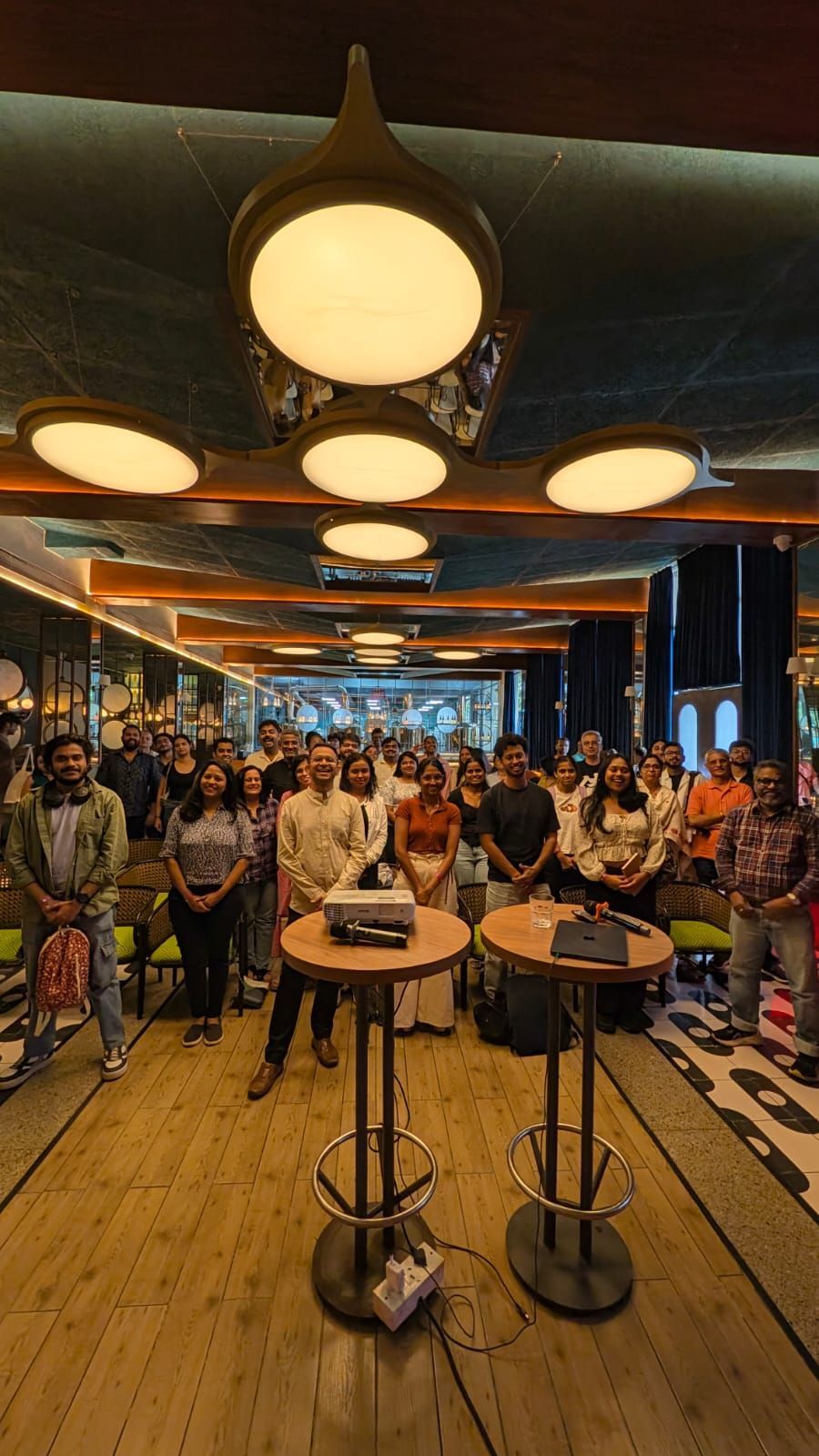
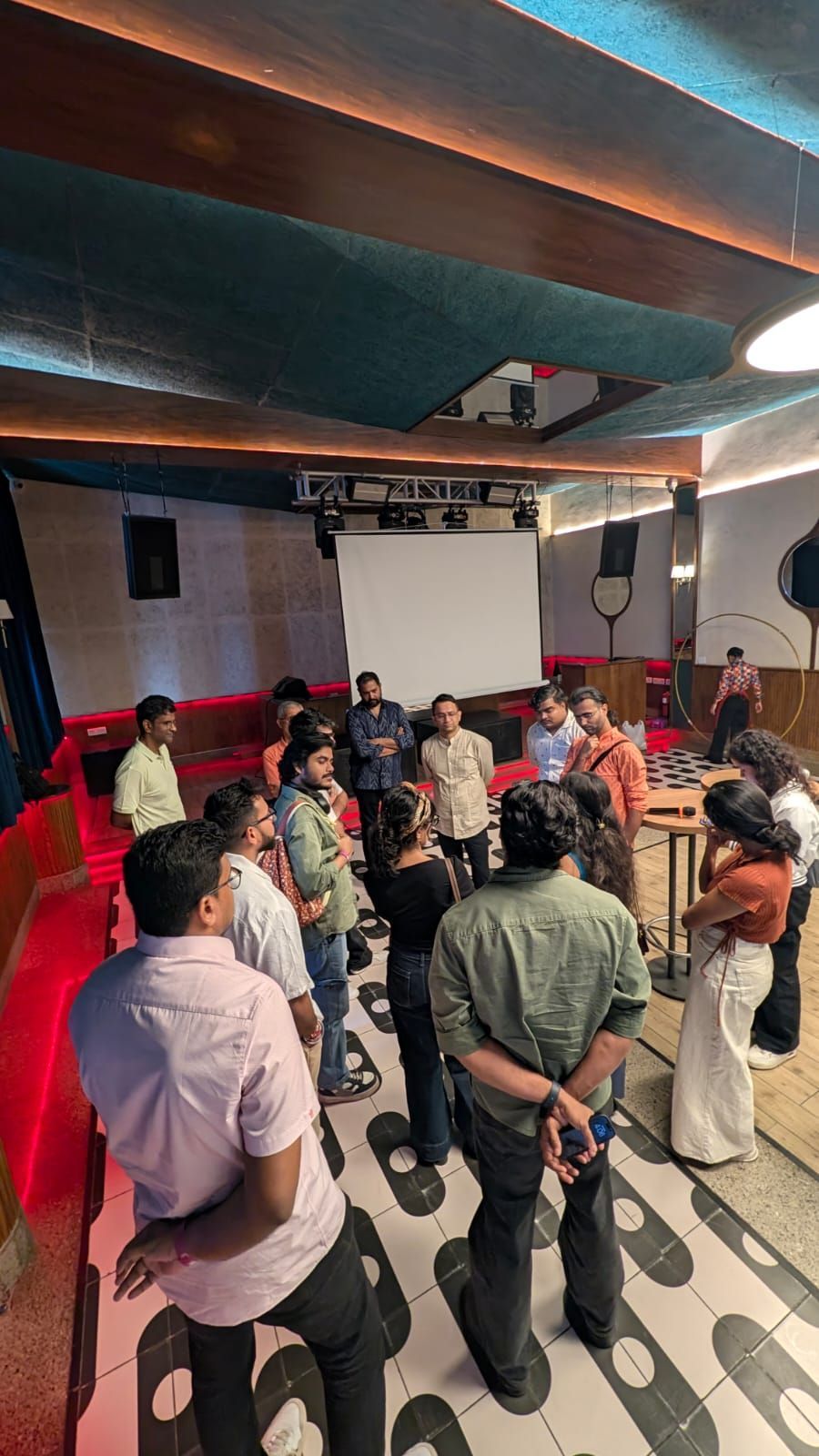
The Geopolitics of AI: Perspectives and Implications
Event: Lecture for the Takshashila GCPP Tech Policy course Date: Every four months
This talk analyses the domains, instruments, and narratives of AI geopolitics.
Public Finance & Fiscal Federalism
The regressive nature of central transfers on health
Event: CEPPF, Patna Date: December 7, 2018
Transfers are not linked to health indicators. Instead, such transfers by and large tend to be incremental. The specific purpose transfer system for health has not been very helpful in offsetting the fiscal disabilities of the poorer states. States tend to substitute grants received from the union for their own spending. Hence no commensurate increase in overall spending. Download slides
Public Policy
Indian Society as a Change Maker
Event: Manthan, Hyderabad Date: September 2020
Institutionally, there are three major actors in any community: the market, the State, and the civil society. However, in the state vs markets debate, we often forget that civil society itself can be a powerful actor for positive change. This is true especially in the Indian context where the ability of Indian society to correct itself has been underplayed, underestimated, and undermined by the Indian State. This talk makes a case for why certain tasks are best left for the Indian society to resolve.
Democracy, Constitution, and National Power
Event: Army War College, Mhow Date: March 2026
In this lecture to select officers of the Indian armed forces, conducted as part of their training at the Army War College, I spoke about the Indian constitutional design. I discussed features of the Constitution that impinge on India’s national power.
Why is the Indian State Like This Only?
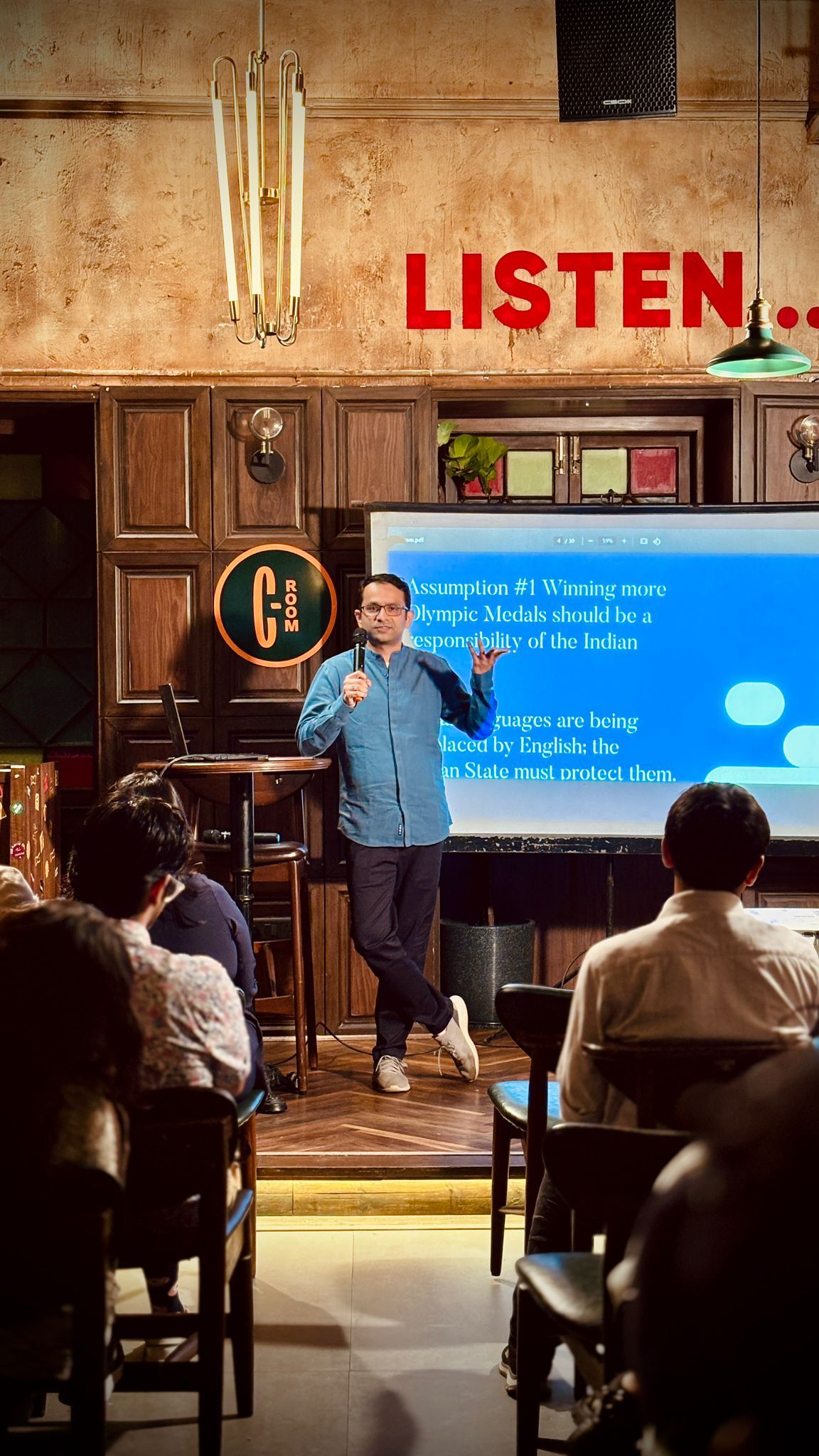
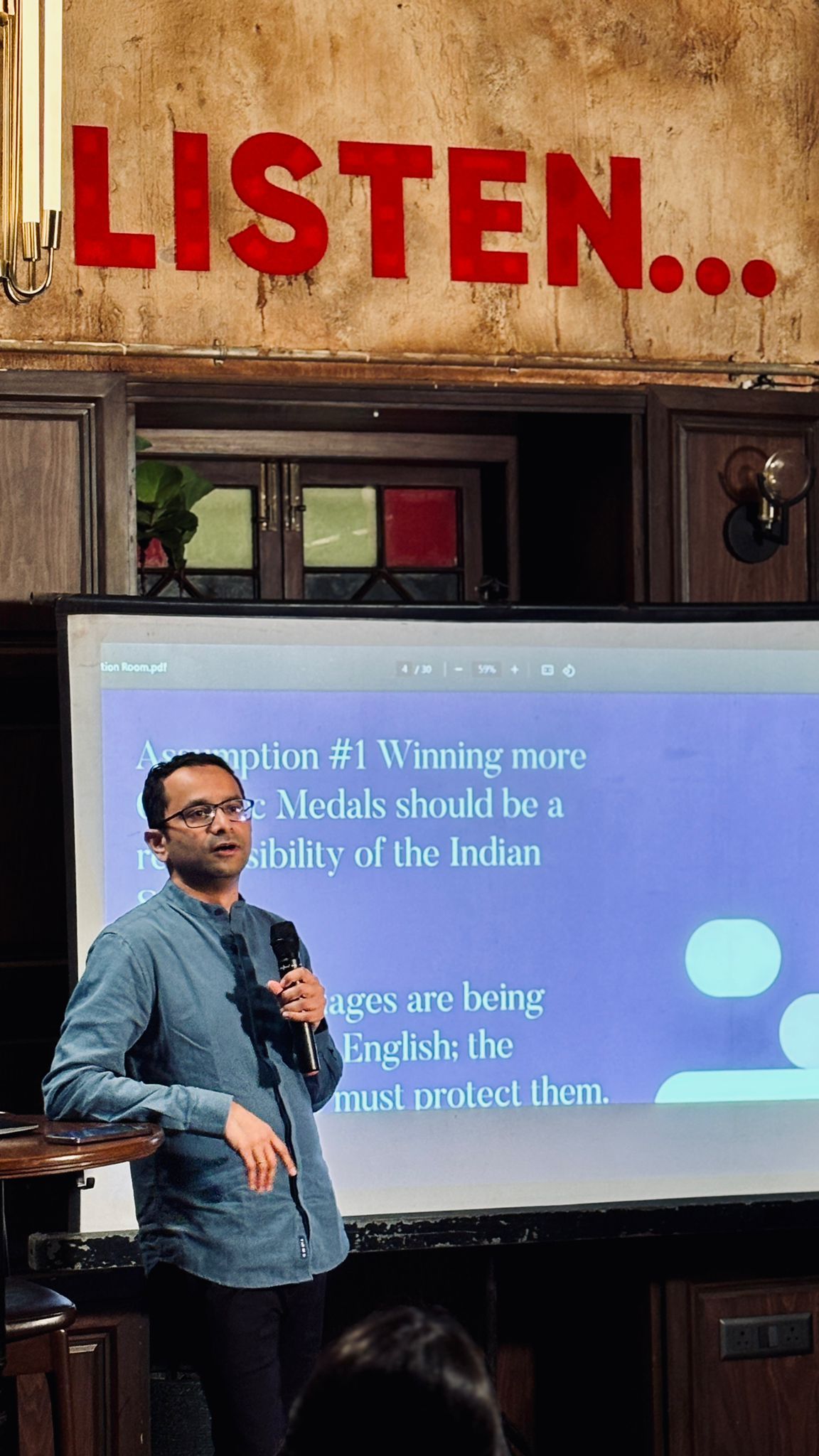
Event: ClassRoom @ The Conversation Room, Kolkata Date: July 2025
This was my first talk at a bar. The setting was quite fun but instead of a stand-up, we were discussing public policy issues. In this talk, I explain the core features of the Indian State and why it behaves the way it does.
Here are some images from the talk.
India Foreign Policy
The Situation in the Strait of Hormuz and Its Potential Impact on India
Event: Indian Danish Chamber of Commerce — Quarterly Seminar Date: June 2026
How disruption in the Strait of Hormuz would propagate to India through energy, trade, and remittance channels — and what India’s resilience options look like across short, medium, and long horizons.